Experience AIIAS,
Change Your World
A study of environmental factors and how they interact with agent and host factors in the causation, prevention, and control of disease in human populations and appropriate technologies for intervention. Focus is on water supply, sanitation, industrial and solid waste management, vector control, and atmospheric pollution control. The course also includes a review of the types and public health consequences of natural and manmade disasters, principles of emergency planning, including evacuation procedures, management of disaster casualties, control of disease outbreaks, and meeting the physical and psychological needs of disaster victims. Steps in disaster response and recovery and coordination of emergency relief operations are also reviewed.
Each student is expected to spend at least an additional two hours per day reading, studying, and completing assignments. Another four hours will be spent on fieldwork.
Upon completion of this course, the students will be able to:
Sampson, N., Tallon, L., & Dejarnett, N. (2025). Environmental health: foundations of public health. Denver: Springer Publishing Company, LLC. (e-book available in Leslie Hardinge Library)
Friis, R. (2019). Essentials of environmental health (3rd ed.). Burlington: Jones & Bartlett Learning. (e-book available)
Frumkin, Howard (editor). Environmental health from global to local. San Francisco, CA: Jossey-Bass, a Wiley brand. (e-book available)
Yassi, A. et al. (2001). Basic environmental health. Geneva: WHO.
Unit 1: Introduction to Environmental Health, and Nature of Environmental Health Hazards
Unit 2: Risk Assessment and Management
Unit 3: Air Pollution: Indoor and Outdoor and Industrial Pollution and Chemical Safety
Unit 4: Water and Sanitation
Unit 5: Food and Agriculture
Unit 6: Settlement and Urbanization
Unit 7: Health and Energy Use
Unit 8: Transboundary & Global Health Concerns and Action to Protect Health and Environment
Unit 9: Disaster Management
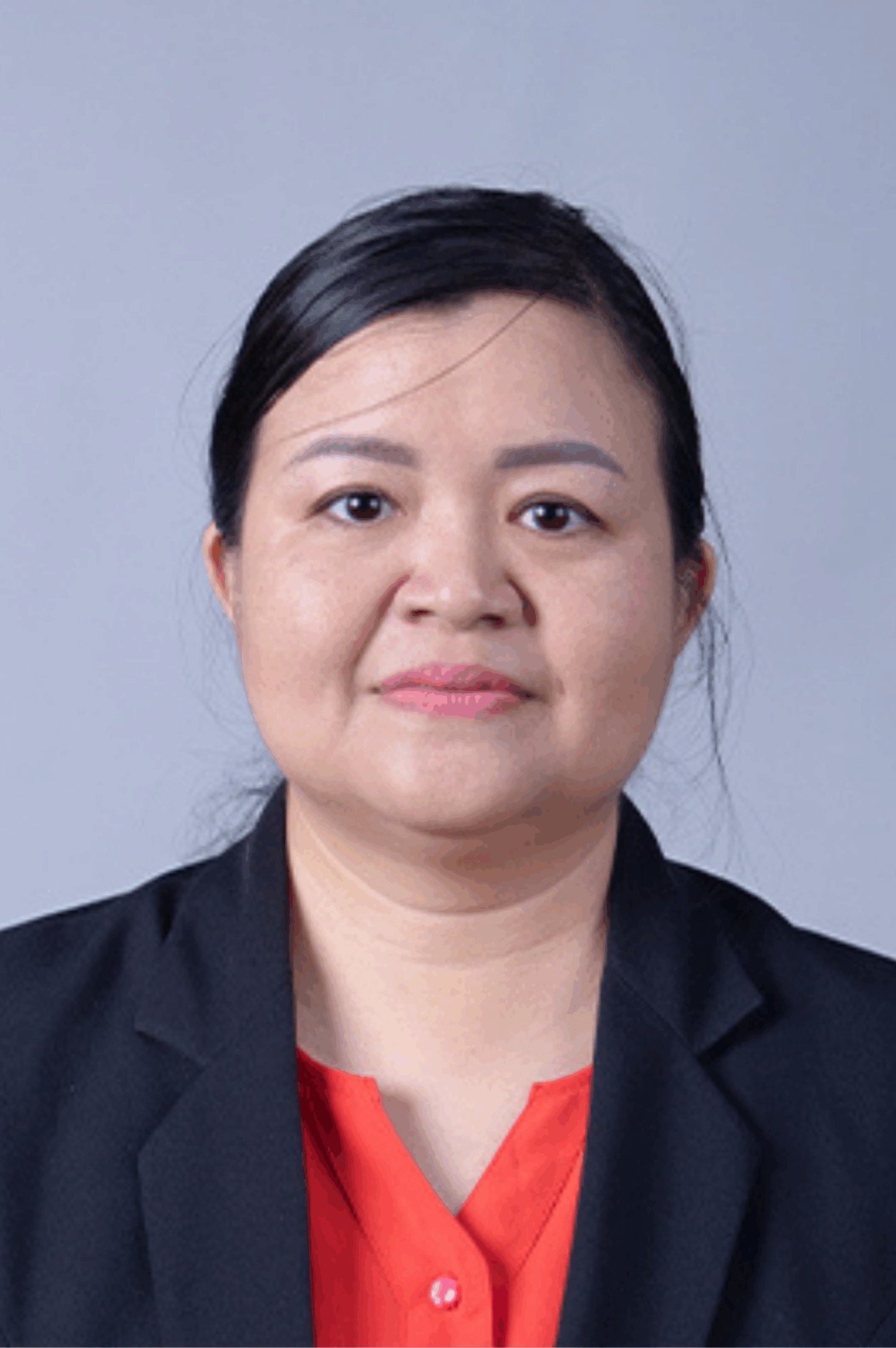
DR. GRACE MANG LUNTUNGAN
Dr. Naw Grace Mang, from Myanmar, is an adjunct course facilitator for the Public Health Department at AIIAS. She received her Master of Public Health at the Adventist International Institute of Advanced Studies. She finished her Doctorate in Public Health at the Adventist University of the Philippines. She’s also a community project coordinator for the Graduate School and a facilitator for Field Learning Internship of AIIAS MMPH program.

DR. KLAUS IRRGANG
Dr. Klaus Irrgang is the original developer of this online course. He is now serving as an associate professor at Burman University in Canada. He finished his doctoral degree in Public Health at Loma Linda University, California. He served the Public Health department of AIIAS as a faculty member for several years.