Experience AIIAS,
Change Your World
Designed to increase the teaching repertoire of teachers and other instructional leaders interested in improving instruction. The power and usefulness of research-based teaching models are presented. The emphasis is on developing a repertoire of complex teaching models or strategies of teaching/learning through guided practice and feedback. Participants develop their ability to reflect on their teaching performance and provide effective feedback and support to others.
The time to invest in this course is 6 to 9 hours every week.
Joyce, B., Weil, M., & Calhoun, E. (2025). Models of teaching (10th ed.; Kindle version). Pearson
Education International.
Marzano, R. J., & Pickering, D. J. (2009). Dimensions of learning: Teacher’s manual. Association for Supervision and Curriculum Development.
NOTE: Students may opt to buy a copy of these references.
The participants are expected to:
Demonstrate knowledge and skills in teaching processes which include the integration of faith and learning.
Demonstrate knowledge and skills (competencies) in the study group process, including the coaching of teaching.
Unit 1: Conceptual Framework of the Course
Unit 2: Pedagogical/Andragogical Issues
Unit 3: Dimensions of Learning—One
Unit 4: Dimensions of Learning—Two
Unit 5: Dimensions of Learning—Two (contd.)
Unit 6: Dimensions of Learning—Three
Unit 7: Dimensions of Learning—Four
Unit 8: Dimensions of Learning—Five
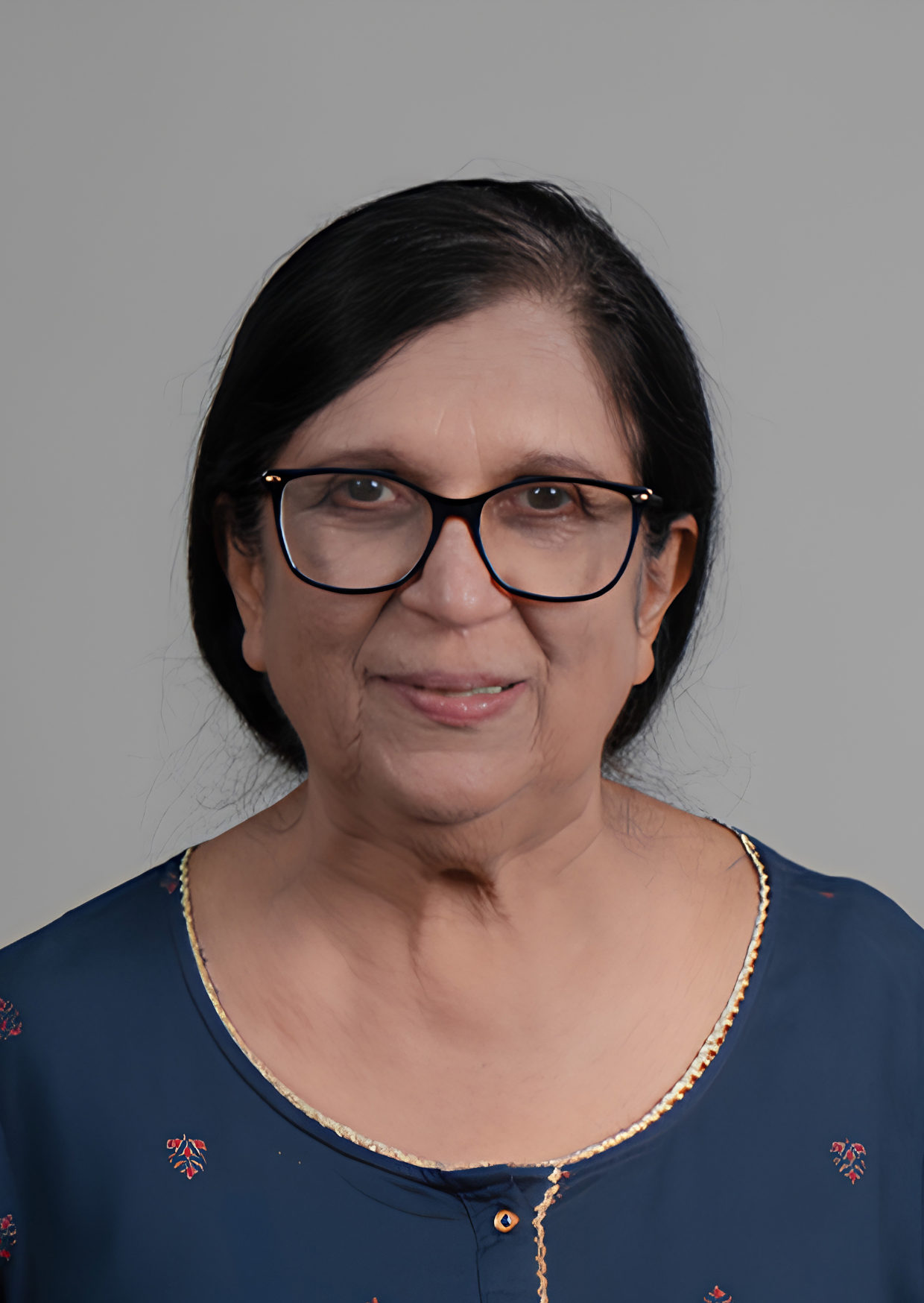
Prema Gaikwad, PhD
Dr. Prema Gaikwad is a professor in the Education Department at AIIAS. She’s from India and has been into teaching for 45 years. She’s married to Dr. Samuel Gaikwad who is also a professor in the Education Department at AIIAS. The couple is blessed with two sons who are now both surgeons currently working in India.
Dr. Prema Gaikwad served as Chair of the Education Department from 2007-2011 and 2013-2015. In addition, she was an editor of the “International Forum” an internationally double-blind peer-reviewed journal produced by the graduate school, and interim vice president for academic administration for AIIAS.