Experience AIIAS,
Change Your World
Application of behavioral science concepts within a Christian ethics framework. The emphasis is on the behavioral and communication aspects of individuals and groups for better organizational performance. Topics of interest include perception, values, attitude, motivation, group behavior, communication, leadership, power, politics, conflict, organizational culture, and organizational change. The course links behavioral understanding of individuals and groups in developing effective communication strategies.
At least 3-5 hours/week for approximately 2 months
Robbins, S. P., & Judge, T. A. (2023). Organizational behavior (19th ed.). Harlow, England: Pearson Education Limited. Print ISBN: 9780137474646, 0137474644, eText ISBN: 9780137687206, 0137687206 [Kindle]
NOTE: You can buy this textbook should you decide to have a personal copy of this reference material.
Upon completion of this course, the students will be able to:
Unit 1: What is Organizational Behavior?
Diversity in Organizations
Unit 2: Attitudes & Job Satisfaction
Emotions & Moods
Personality & Values
Unit 3: Perception & Individual Decision Making
Motivation Concepts
Motivation: From Concepts to Application
Unit 4: Review and Midterm Exam
Unit 5: Foundations of Group Behavior
Understanding Work Teams
Communication
Unit 6: Leadership
Power & Politics
Conflict & Negotiation
Unit 7: Foundations of Organizational Structure
Organizational Culture
Unit 8: Human Resources Policies & Practices
Organizational Change & Stress Management
Unit 9: Review and Final Exam
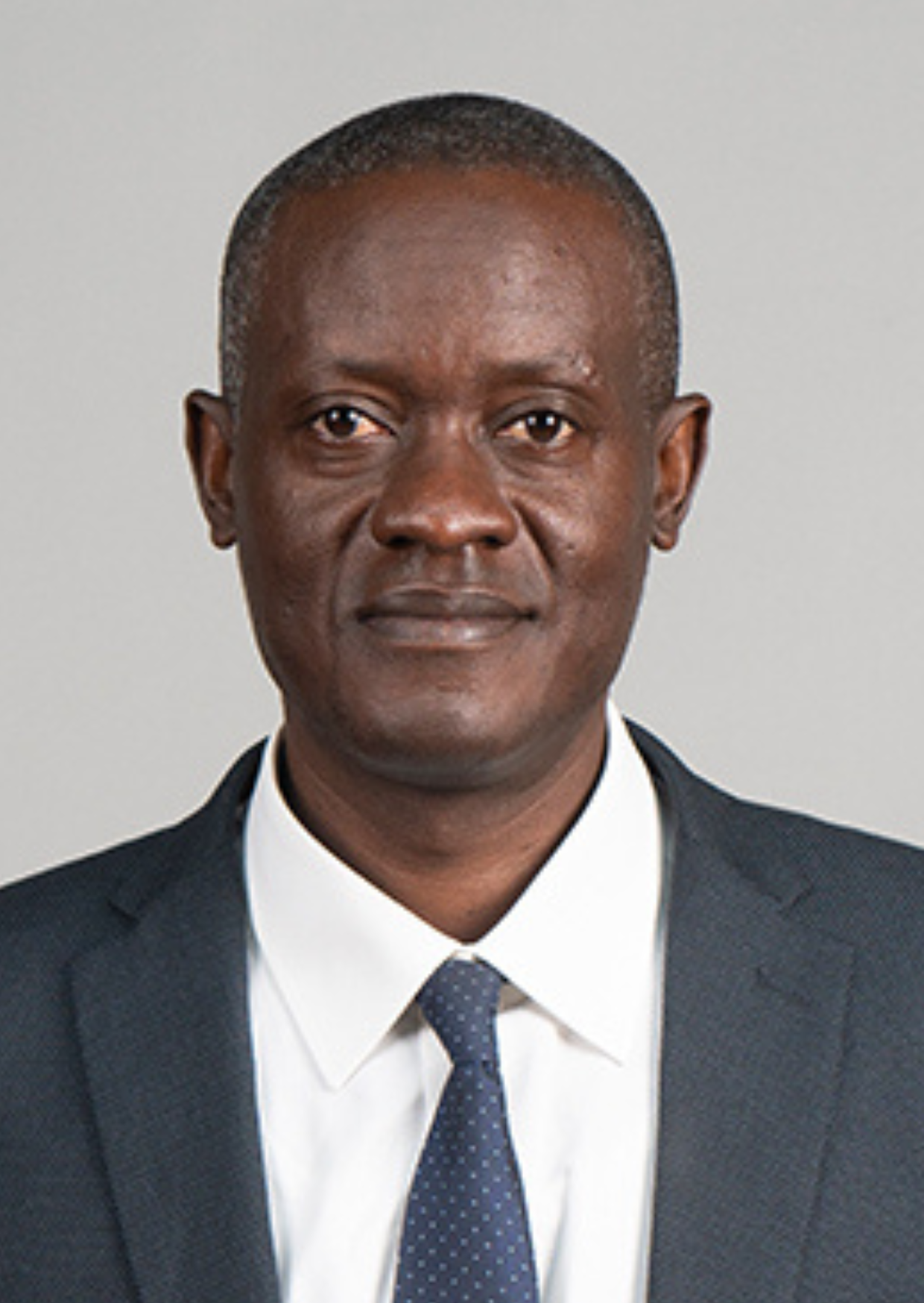
INNOCENT SIGAUKE, PhD
Dr. Innocent Sigauke is an associate professor at the Graduate School of Business. He currently serves as the Director of the Adventist Professional Resource Center (APRC) at AIIAS in Silang, Cavite, Philippines. From 2019 to 2024, he served as the Chair of Management and Marketing for the Master of Business Administration program at Solusi University. His academic and professional experience reflects a strong commitment to business education, leadership, and organizational development. He is married to Evelline Mudewairi Sigauke and is blessed with three children.
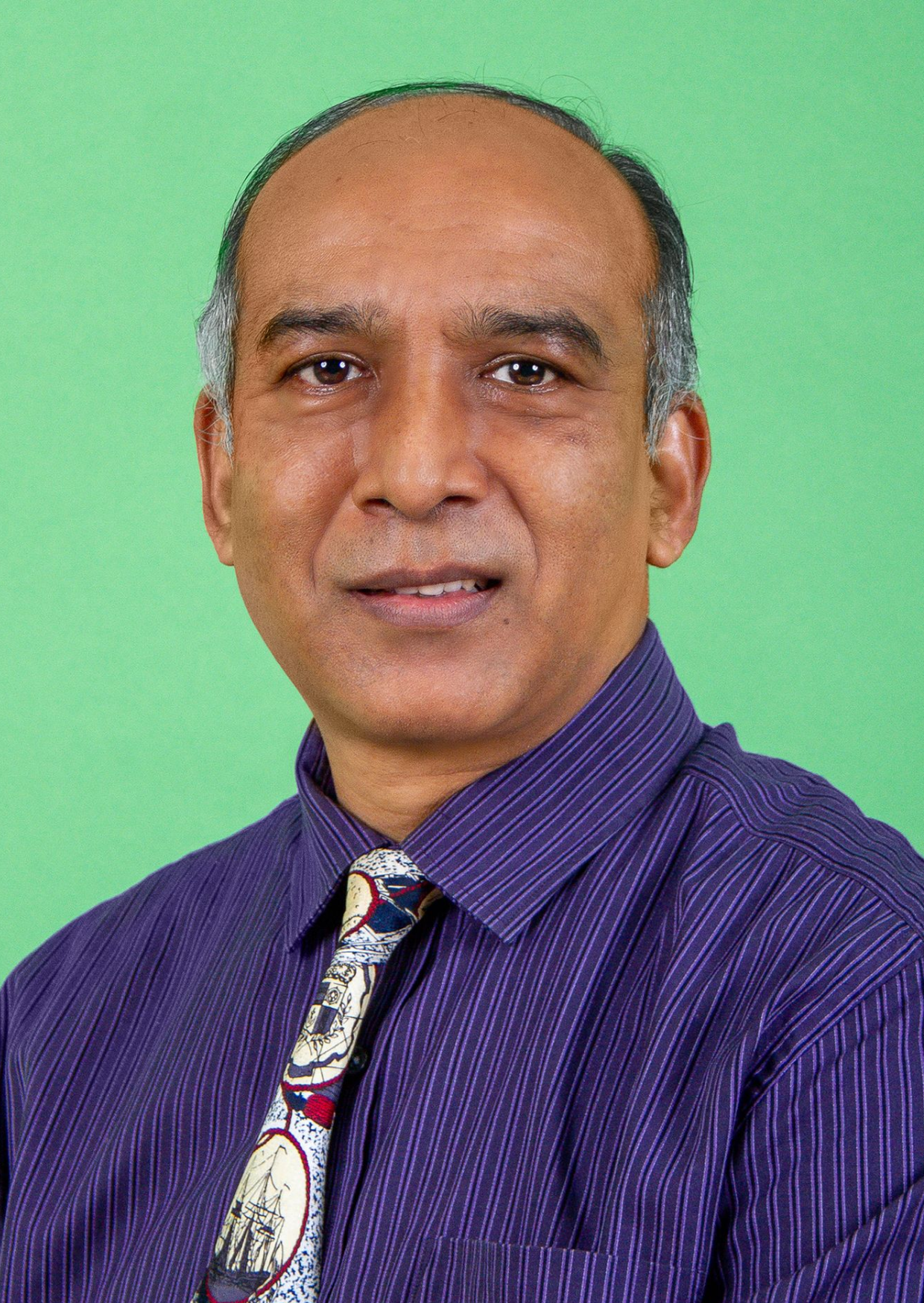
KENNETH SWANSI, PhD
Dr. Kenneth Swansi is an Associate Professor and Dean of the Graduate School at the Adventist International Institute of Advanced Studies (AIIAS), Philippines. He teaches corporate change, strategic management, corporate governance, leadership, business ethics, and economic theory. His research interests include leadership, organizational change, organizational trust, resilience, social entrepreneurship, governance, business ecosystems, and business strategy. Dr. Swansi has also served as a consultant in India, Africa, Europe, the United States, and Southeast Asia. He is committed to appreciative inquiry, innovation, grounded theory, and value-based learning as approaches to creating knowledge that serves humankind.